Art and Design
Intent
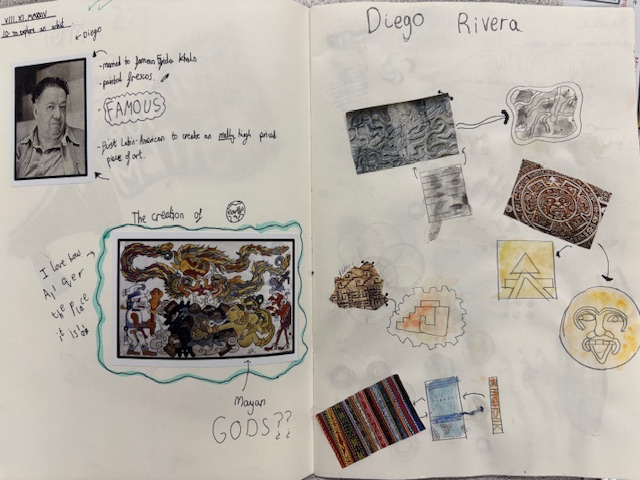
Ditchling believes that art is a vital part of children’s education, with a significant and valuable role in the taught curriculum and the enrichment opportunities we offer our pupils. The art curriculum will develop children’s critical abilities, as well as an understanding of their own and others’ cultural heritages through the study of a diverse range of artists. Situated in a very popular Arts and Crafts area of Sussex means our opportunities with our local Museum of Arts and Crafts enables our students to engage in quality, purposeful opportunities that enrich our children’s experiences of Art and Design.
Children will develop their understanding of the visual language of art with effective teaching and considered sequences of lessons and experiences. Understanding of the visual elements of art and design (line, tone, texture, colour, pattern, shape, 3D form) will be developed by providing a curriculum, which will enable children to reach their full potential.
Implementation
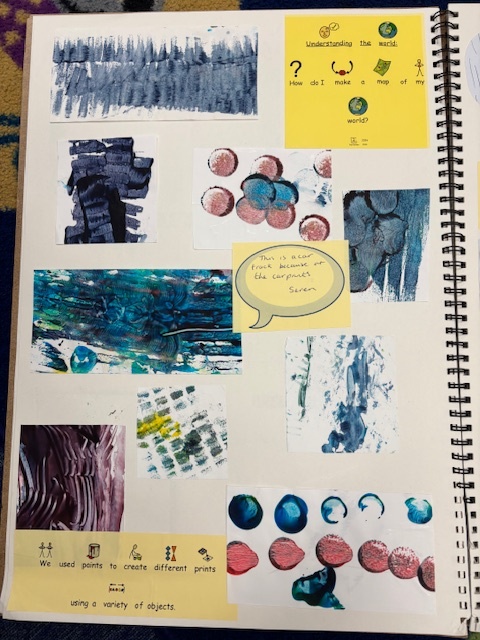
The skills and knowledge that children will develop throughout each art topic are mapped across each year group and are progressive throughout the school. The emphasis on knowledge ensures that children understand the context of the artwork, as well as the artists that they are learning about and being inspired by. This enables links to other curriculum areas, including humanities, with children developing a considerable knowledge of individual artists, as well as individual works and art movements. A systematic approach to the development of artistic skills means that children are given opportunities to express their creative imagination, as well as practise and develop mastery in the key processes of art: drawing, painting, printing, textiles and sculpture.
Each new unit of work begins with a recap of the previous related knowledge from previous years. This helps children to retrieve what they have learnt in the earlier sequence of the programme of study, and ensures that new knowledge is taught in the context of previous learning to promote a shift in long term memory. Key vocabulary for the new topic is also introduced as part of this ‘unit introduction’. This provides definitions and accompanying visuals for each word to ensure accessibility to all. This approach also means that children are able to understand the new vocabulary when it is used in teaching and learning activities and apply it themselves when they approach their work.
Once children know the new vocabulary for the unit and how it relates to previous learning, the children are asked what they already know specifically about the new topic. This provides the teacher with an insight into the children’s ‘starting points’ for the topic, to enable the use of assessment to inform planning. The sequence of learning is evident in the children’s Creative Art books. At the end of the topic, children write a summary of what they know according to the key knowledge statements identified on the school’s progression map for Art and Design. Teachers support the children and scaffold as appropriate, according to the children’s age group as well as individual needs through quality first teaching.
Within all lessons, teachers plan a phase of progressive questioning which extends to and promotes the higher order thinking of all learners. Questions initially focus on the recall or retrieval of knowledge. Questions then extend to promote application of the knowledge in a new situation and are designed to promote analytical thinking, such as examining something specific. The questions that teachers ask within the same lesson phase, then focus on the children’s own work and how they might change or create an outcome, and justify a choice they have made which is based on their evaluation.
Co-ordinated whole-school project work ensures that Art and Design is given high status in the curriculum. This includes the school’s participation in the annual ‘Museum of Arts and Crafts activities which enables further focus on children’s artistic skills and knowledge of a diverse range of artists.
The school’s high-quality art curriculum is supported through the availability of quality resources, which are used to support children’s confidence in the use of different media. The school’s unique locality is also utilised, with planned opportunities for learning outside the classroom, as well as the involvement of adults with specialist skills from the local and wider community such as local painters and artists from the Turner Dumbrell Art Studios.
Impact
The structure of the art curriculum ensures that children are able to develop their knowledge and understanding of the work of artists, craftspeople and designers from a range of times and cultures and apply this knowledge to their own work. The consistent use of children’s creative art books means that children are able to review, modify and develop their initial ideas in order to achieve high quality outcomes. Children learn to understand and apply the key principles of art: line, tone, texture, shape, form, space, pattern, colour, contrast, composition, proportion and perspective. The opportunity for children to refine and develop their techniques over time is supported by effective lesson sequencing and progression between year groups. This also supports children in achieving age related expectations.
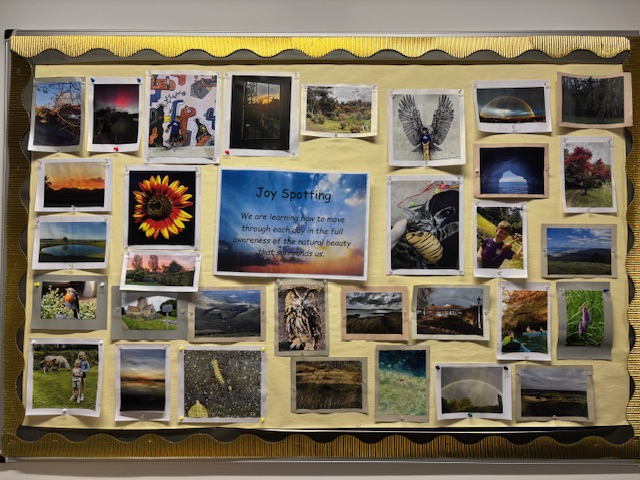
Displays reflect the children’s sense of pride in their artwork and this is also demonstrated by creative outcomes across the wider curriculum. The school environment celebrates children’s achievements in art and demonstrates the subject’s high status in the school, with outcomes, including sculptures, enhancing the outdoor, as well as indoor, environment.
The Art and Design curriculum at Ditchling contributes to children’s personal development in creativity, independence, judgement and self-reflection.