Physical Education
We achieved the East Sussex Healthy Schools Excellence Award and the School Games Gold Award 25/26


Intent
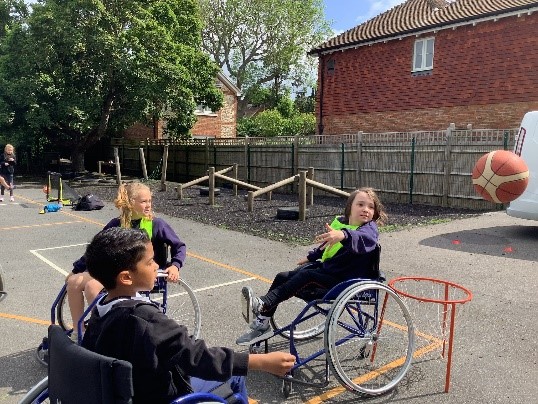
Ditchling Primary School recognises the value of Physical Education (P.E). We fully adhere to the aims of the national curriculum for physical education to ensure that all pupils:
- develop competence to excel in a broad range of physical activities
- are physically active for sustained periods of time
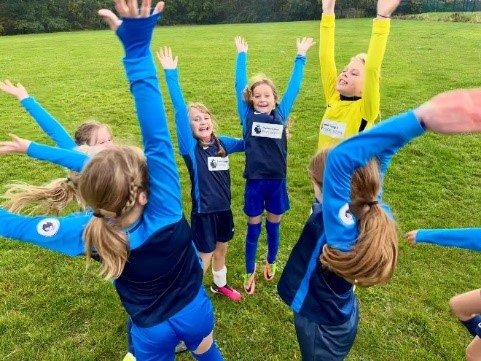
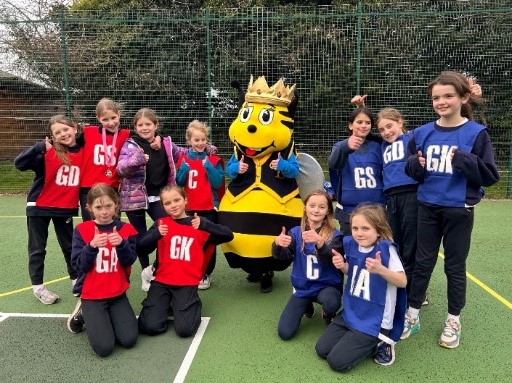
- engage in competitive sports and activities
- lead healthy, active lives
Implementation
P.E. is taught at Ditchling Primary School as an area of learning in its own right, as well as being integrated where possible with other curriculum areas. It is taught at a minimum of two PE sessions a week. At Ditchling, teachers use GetSet4PE scheme, as a starting point for the planning of their P.E. lessons.
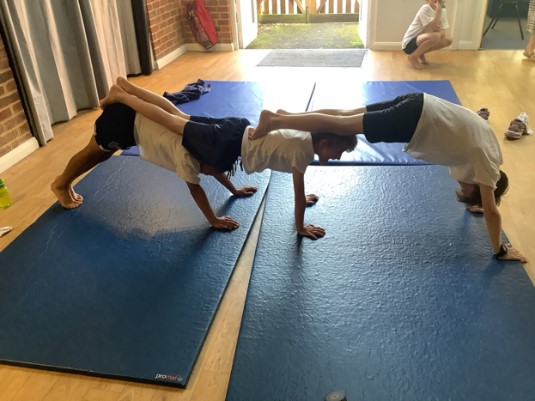
The key knowledge and skills of each topic are mapped across each year group. This ensures that children develop their knowledge of games, dance and gymnastics and (from KS2) athletics and outdoor and adventurous activity progressively. The skills in these areas are also therefore developed systematically, with the programme of study for each year group building on previous learning and preparing for subsequent years. Knowledge and skills are informed and linked to enable achievement of key stage end points, as informed by the 2014 National Curriculum.
We teach lessons so that children:
- develop fundamental movement skills, become increasingly competent and confident and access a broad range of opportunities to extend their agility, balance and coordination, individually and with others.
- engage in competitive (both against self and against others) and co-operative physical activities, in a range of increasingly challenging situations.
- apply and develop a broad range of skills, learning how to use them in different ways and to link them to make actions and sequences of movement.
- enjoy communicating, collaborating and competing with each other.
- develop an understanding of how to improve in different physical activities and sports and learn how to evaluate and recognise their own success.
Each new unit of work begins with a recap of the previous related knowledge from previous years. This helps children to retrieve what they have learnt in the earlier sequence of the programme of study, and ensures that new knowledge is taught in the context of previous learning to promote a shift in long term memory. Key vocabulary for the new topic is also introduced as part of this sequence of learning. This approach also means that children are able to understand the new vocabulary when it is used in teaching and learning activities and apply it themselves within the context of physical activity.
Once children know the new vocabulary for the unit and how it relates to previous learning, the children are asked what they already know specifically about the new topic. This provides the teacher with an insight into the children’s ‘starting points’ for the topic, to enable the use of assessment to inform planning. At the end of the topic, children take part in a review of what they now know and can do. The teacher is then able consolidate any of the key knowledge which is identified at this part of the process as not yet being secure.
Impact
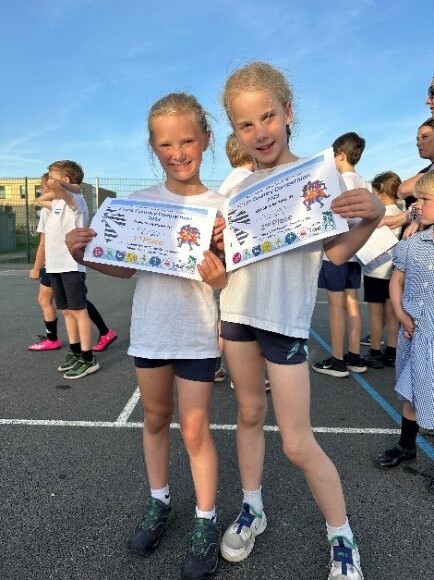
The children complete each key stage with a high proficiency in each aspect of PE. Children are aware of the link between physical activity and good mental health and understand its significance as part of a healthy lifestyle. The school achieves well in a number of sporting activities.
As a school, we have been assessed as ‘Excellent’ for Healthy Schools.
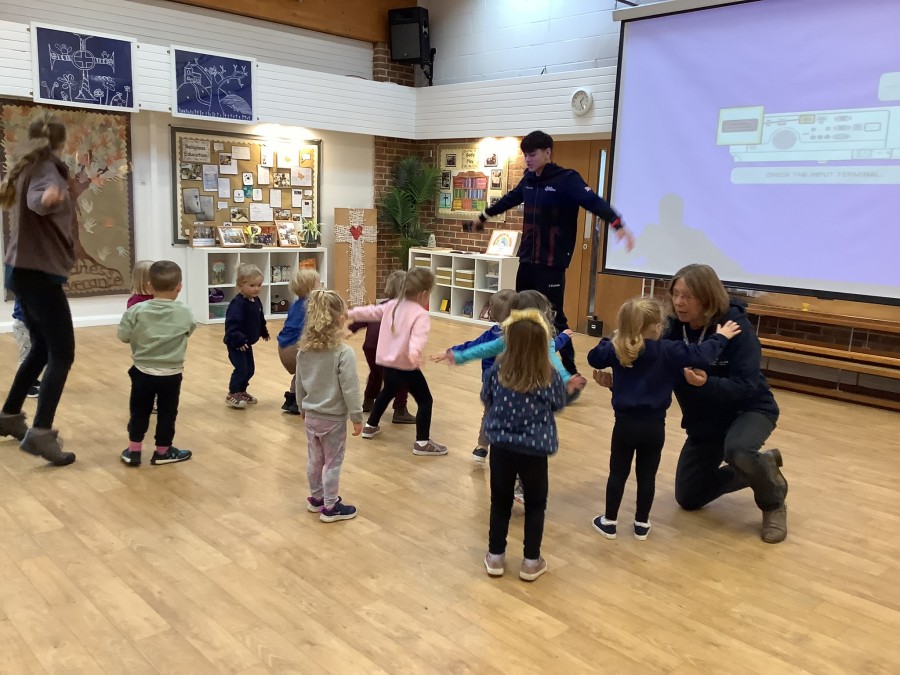
Our Nursery are working towards their HALO (Healthy, Active, Little Ones) Accreditation.
Physical Activity and Movement
- Go Noodle:
- NHS Change4Life:
Activity ideas children can do to keep physically active.