Life Skills
We achieved the Teach First Careers Pilot Programme

Intent
In line with the National Curriculum 2014, all schools must provide a curriculum that is broadly based, balanced and meets the needs of all pupils. Under section 78 of the Education Act 2002 and the Academies Act 2010, a PSHE curriculum:
- Promotes the spiritual, moral, cultural, mental and physical development of pupils at the school and of society, and
- Prepares pupils at the school for the opportunities, responsibilities and experiences of later life.
The National Curriculum advises schools to make provision for personal, social, health and economic education (PSHE), drawing on good practice. At Ditchling St Margaret’s , PSHE is considered across the curriculum and is a fundamental part of the children’s school experience. In addition, the emphasis on PSHE across the work of the school, Personal, Social, Health and Economic Education, is taught explicitly as part of the whole-school approach. We believe that successful PSHE supports children’s learning capacity and this aspect of the school’s work is held in high regard as we believe that it promotes wellbeing and underpins children’s development as people.
To support our aims, the school is a member of the DfE funded PSHE Association. We follow the Jigsaw Programme scheme of work, which holds the PSHE Association Quality Mark. Jigsaw PSHE offers a comprehensive, carefully thought-through Scheme of Work which brings consistency and progression to our children’s learning in this vital curriculum area. Our approach also supports the ‘Personal Development’ and ‘Behaviour and Attitudes’ aspects required under the Ofsted Inspection Framework, as well as significantly contributing to the school’s Safeguarding and Equality Duties, the Government’s British Values agenda and the SMSC (Spiritual, Moral, Social, Cultural) development opportunities provided for our children.
We aim to ensure that all children:
- Develop confidence and responsibility and to make the most of their abilities
- Prepare to play an active role as citizens in Britain
- Develop a healthy, safer lifestyle
- Develop good relationships and to understand and celebrate the differences between people.
Implementation
Jigsaw covers all areas of PSHE for the primary phase including statutory Relationships and Health Education. The table below gives the learning theme of each of the six Puzzles (units) and these are taught across the school; the learning deepens and broadens every year.
| Term | Puzzle (Unit) | Content |
| Autumn 1: | Being Me in My World | Includes understanding my own identity and how I fit well in the class, school and global community. Jigsaw Charter established. |
| Autumn 2: | Celebrating Difference | Includes anti-bullying (cyber and homophobic bullying included) and understanding |
| Spring 1: | Dreams and Goals | Includes goal-setting, aspirations, who do I want to become and what would I like to do for work and to contribute to society |
| Spring 2: | Healthy Me | Includes drugs and alcohol education, self-esteem and confidence as well as healthy lifestyle choices, sleep, nutrition, rest and exercise |
| Summer 1: | Relationships | Includes understanding friendship, family and other relationships, conflict resolution and communication skills, bereavement and loss |
| Summer 2: | Changing Me | Includes Relationships and Sex Education in the context of coping positively with change |
At Ditchling St Margaret’s School, PSHE lessons are taught every other week in KS1 and each week in Reception and KS2. This ensures that we are able to teach the PSHE knowledge and skills in a developmental and age-appropriate way. Outcomes are recorded in a class ‘floor book’. Explicit lessons are reinforced and enhanced in many ways which include:
- Word of the Week Assemblies, which explore the aspects of each term’s specific themes, supporting children to make links to their own lives within and beyond school
- Praise and reward systems
- A child-informed Class Charter
Positive relationships child to child, adult to child and adult to adult across the school.
We aim to ‘live’ what is learnt and apply it to everyday situations in the school community.
Class teachers deliver the weekly lessons to their own classes. The school’s ethos, curriculum design and PSHE lesson coverage promote the following:
- Empathy and compassion (including impact on decision-making and behaviour)
- Respect for others’ right to their own beliefs, values and opinions
- Discernment in evaluating the arguments and opinions of others (including challenging ‘group thinking’)
- Skills for employability, including active listening and communication (including assertiveness skills)
- Team working
- Negotiation (including flexibility, self-advocacy and compromise within an awareness of personal boundaries)
- Leadership skills
- Presentation skills
- Enterprise skills and attributes (e.g. aspiration, creativity, goal setting, identifying opportunities, taking positive risks)
- Recognising, evaluating and utilising strategies for managing influence
- Valuing and respecting diversity
- Using these skills and attributes to build and maintain healthy relationships of all kinds
The school’s celebration of the annual ‘Children’s Mental Health Week’ also raises awareness and compliments the school’s commitment to promoting good mental health.
Impact
The school has established and maintained a positive learning environment where the children have positive relationships with their peers and teachers. The extent to which the school successfully promotes the spiritual, moral, cultural, mental and physical health of pupils at the schools is further evidenced through the school’s recognition by a number of nationally recognised agencies. The school holds the Council for Learning Outside the Classroom’s Quality Mark at Gold standard in recognition for ‘continue and progressive learning outside the classroom’. The school also holds the British Council’s International School Award, for ‘outstanding development of the international dimension in the curriculum’. This recognises the work of the school in promoting global citizenship, which itself is supported through an ongoing collaboration with a partner school in Madrid. With weekly assemblies, we ensure that PSHE remains a constant and relevant part of each child’s education.
We regularly maintain up to date training which the subject co-ordinator disseminates to ensure an approach that is informed by current pedagogy and advice from experts, as well as involving the use of recommended resources.
Our years 5 and 6 children took part in an Anti-Bullying Workshop with the theme of ‘Reach Out’.

At Ditchling, we follow the Jigsaw Scheme to support our teaching of PSHE and RSE.
The Jigsaw scheme is based upon a whole school approach to PSHE which is progressive and sequential. The scheme is structured into 6 half-termly units of work, mapped out like puzzle pieces. These comprise of the units; ‘Being Me in My World’, Celebrating Differences’, ‘Dreams and Goals’, ‘Healthy Me’, ‘Relationships’ and ‘Changing Me’. There are 6 Jigsaw puzzle friends for each year group. Every year group works on the same theme each half term. This enables the learning message to be reinforced through whole school activities, such as assemblies. In EYFS children work towards individual goals within each Jigsaw piece, such as ‘being a good friend’ and are awarded their own special ‘scroll’ certificates to celebrate this!
Mindfulness activities are key components of the Jigsaw PSHE lessons. The children reflect on their experiences and understand how they are developing personally and socially, tackling issues that are part of growing up. The Jigsaw PSHE lessons help the children develop their self-belief, realise their value and encourages them to become increasingly responsible for their own learning. In addition, the children develop understanding of their place within the wider community, and are taught how to resolve conflicts, develop collaboration skills and respect for others.
Information for parents and carers about our PSHE approach can be found here:
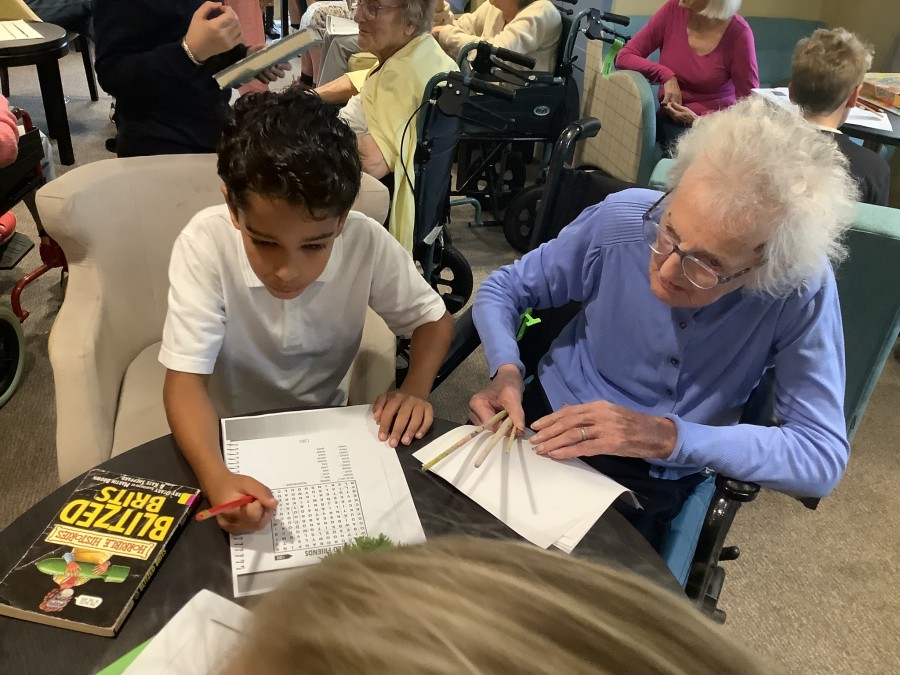
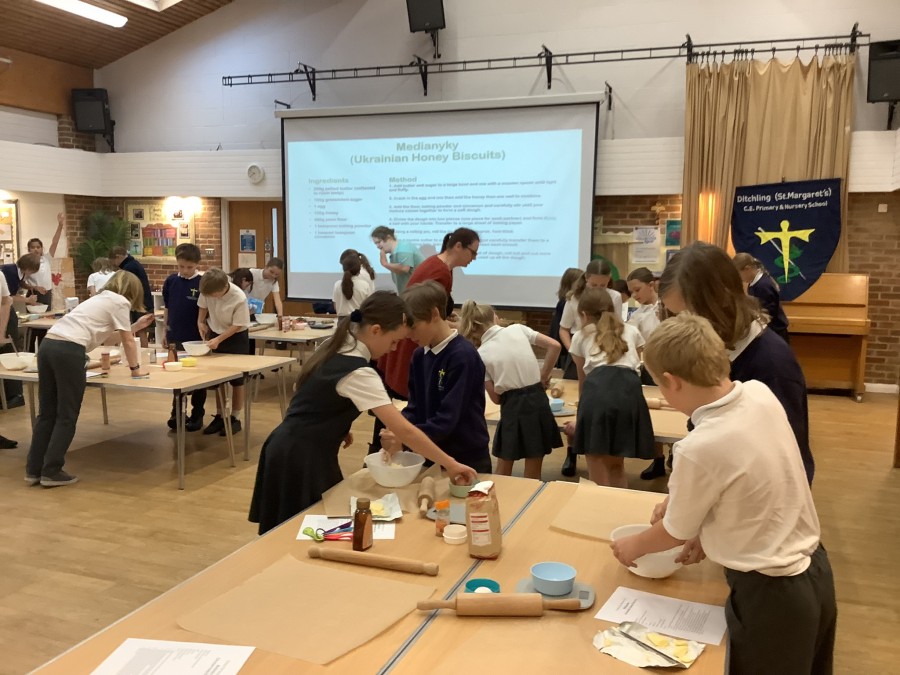
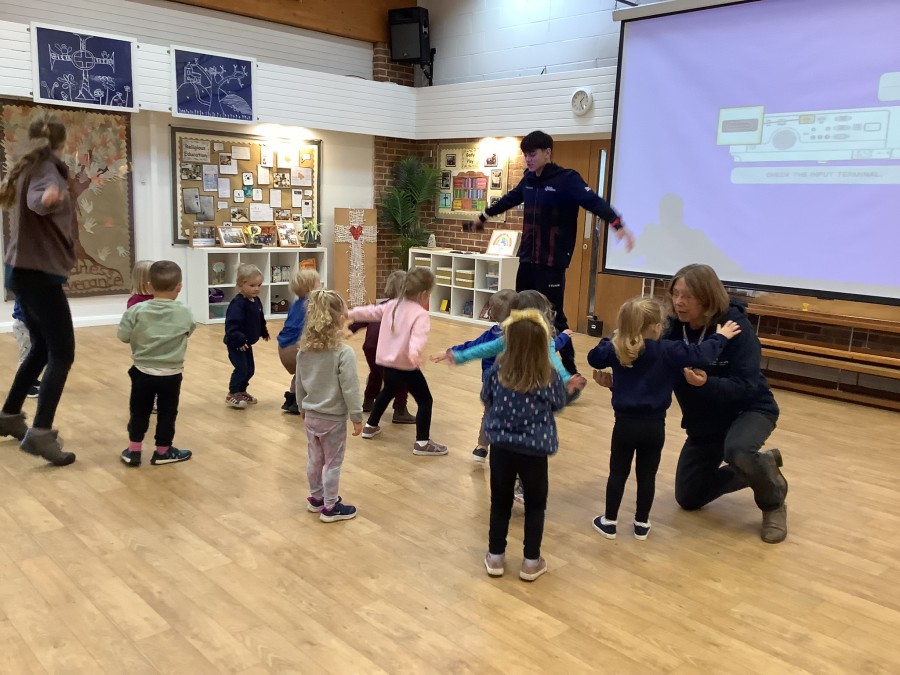
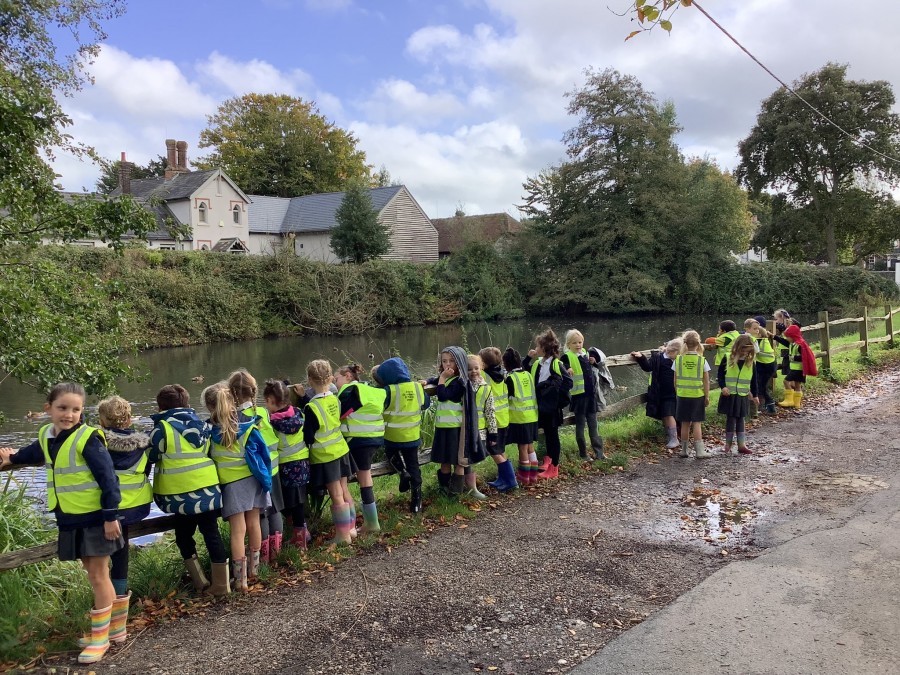
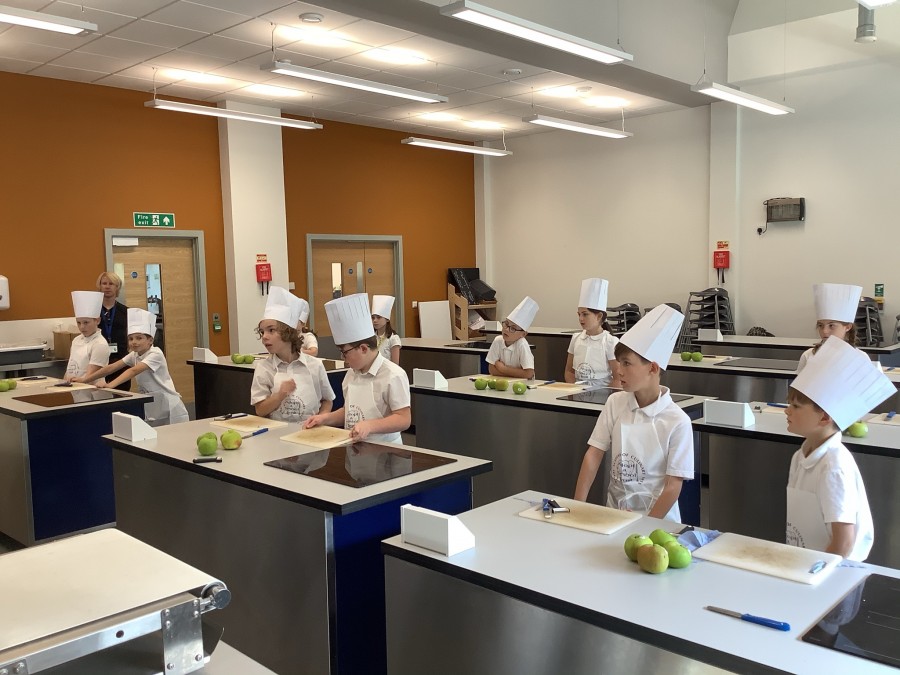
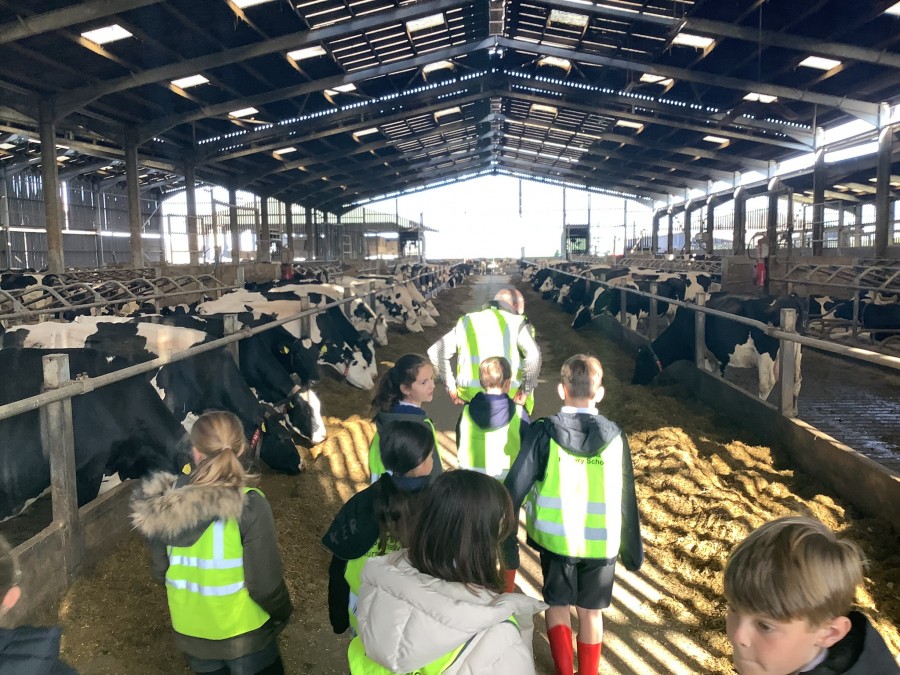
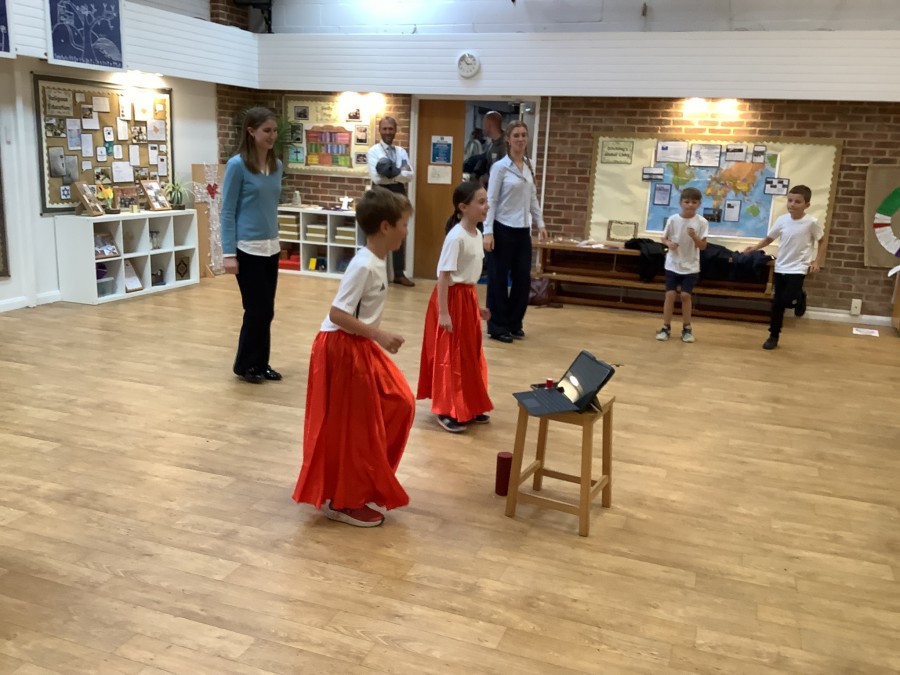
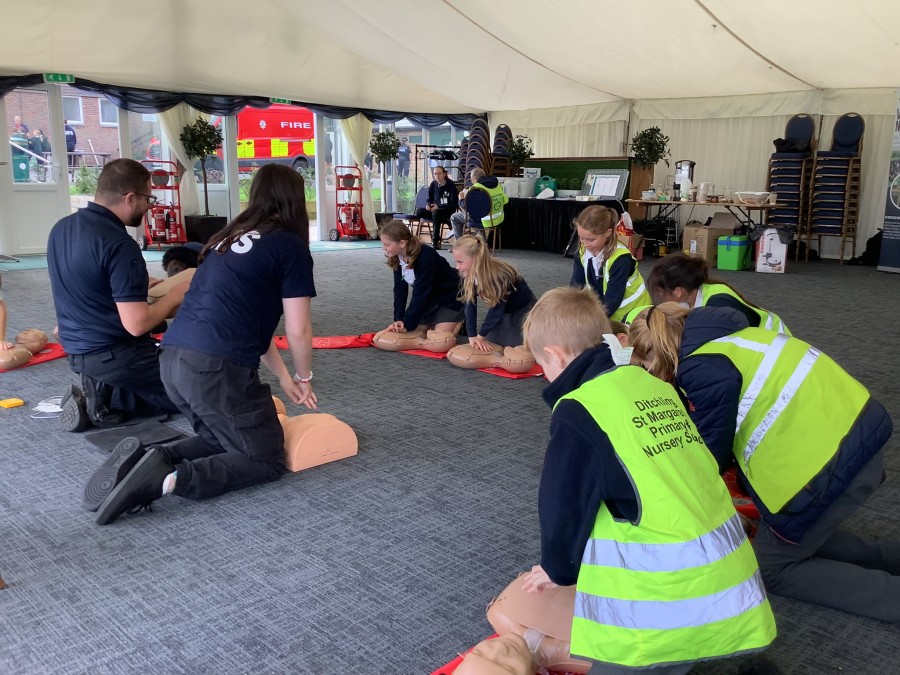
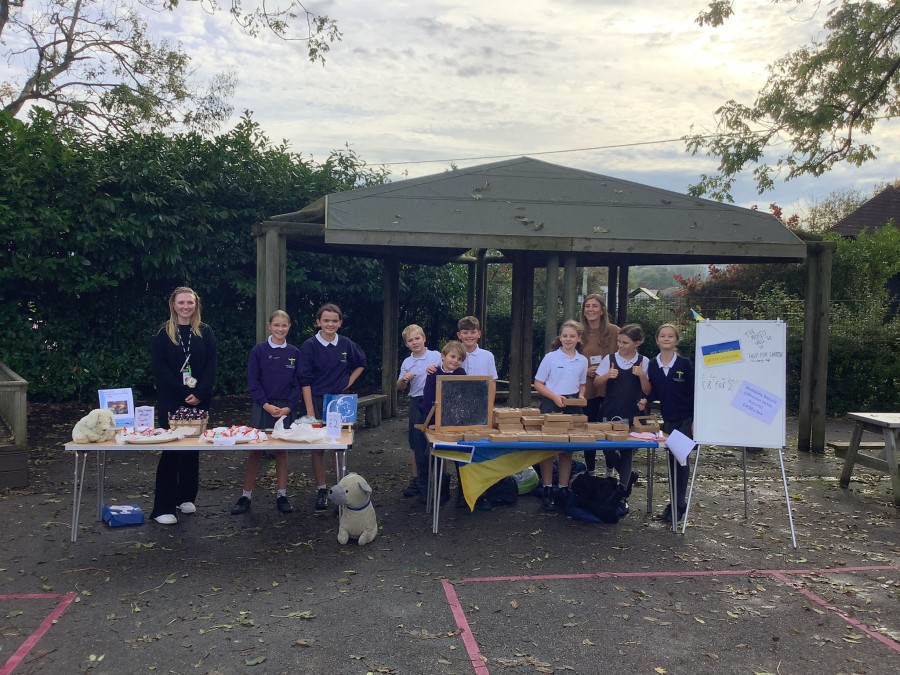
Every year, our whole school and Nursery take part in Children in the Community Morning. The idea of this morning was for the children and adults in our school to donate time to our local community and enable our children to become great citizens in society.
Thank you to everyone involved, to families who donated items, volunteers who helped, staff who were so enthusiastic, but most importantly, to our amazing children who worked incredibly hard during ‘Children in the Community Morning’ for the greater good.
We have spoken to the children about being ‘agents of change for the community’ and they certainly lived up to it, making us all very proud.




Careers
The aims of our Careers Programme is to:
- To ensure that children experience meaningful interaction with the world of work annually.
- To ensure that by the time that children transfer to secondary education they have knowledge of a range of careers.
- To ensure that when children transfer to secondary school they are ready for the next stage in their education, being equipped with the necessary skills and knowledge, thus preparing them for the world of work which lies ahead.
Our careers offer has been developed and takes into account the Gatsby Foundation research and guidance benchmarks issued from the Department of Education on Careers.
These benchmarks are:
Benchmark 1: A Stable Careers Programme
Benchmark 2: Learning from Career and Labour Market Information
Benchmark 3: Addressing the Needs of Each Pupil
Benchmark 4: Linking Curriculum Learning to Careers
Benchmark 5: Encounters with Employers and Employees
Benchmark 6: Experiences of Workplaces
Benchmark 7: Encounters with Further and Higher Education
Benchmark 8: Personal Guidance
The way we have organised our approach to careers is to teach it through PSHE learning sequence ‘Dreams and Goals’. When you look at our curriculum map you can see the progression of detail and expectations for each group as they go through the school. The objectives are carefully matched to the age and stage of the pupils. We use the Career Development themes to shape our curriculum:
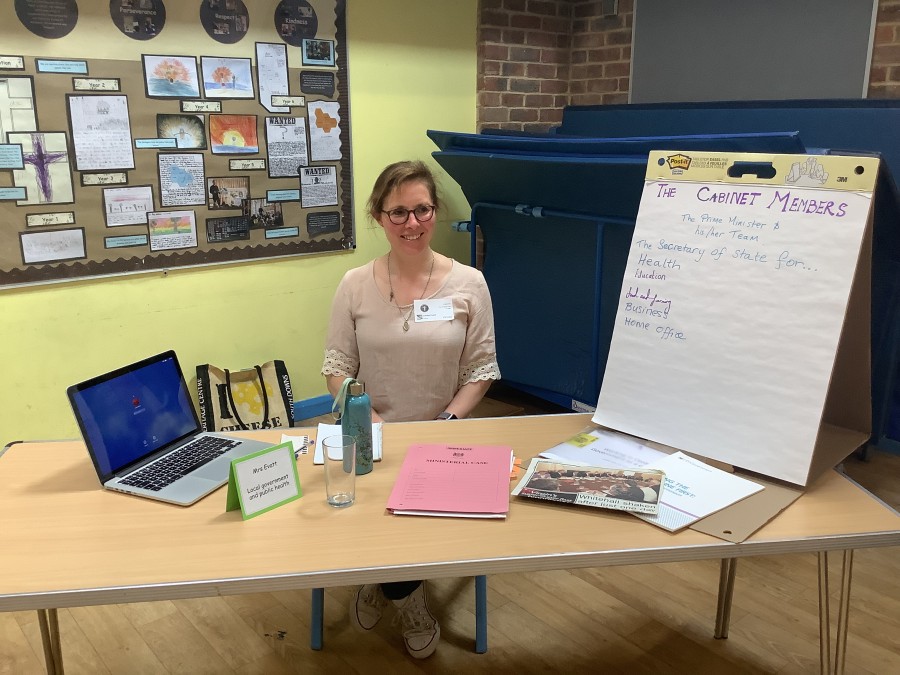
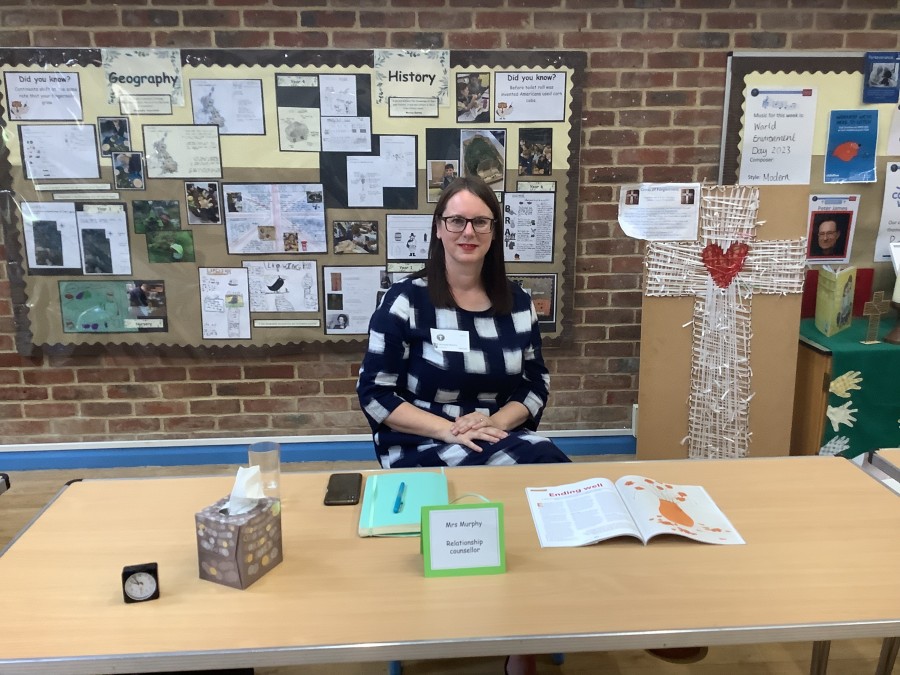
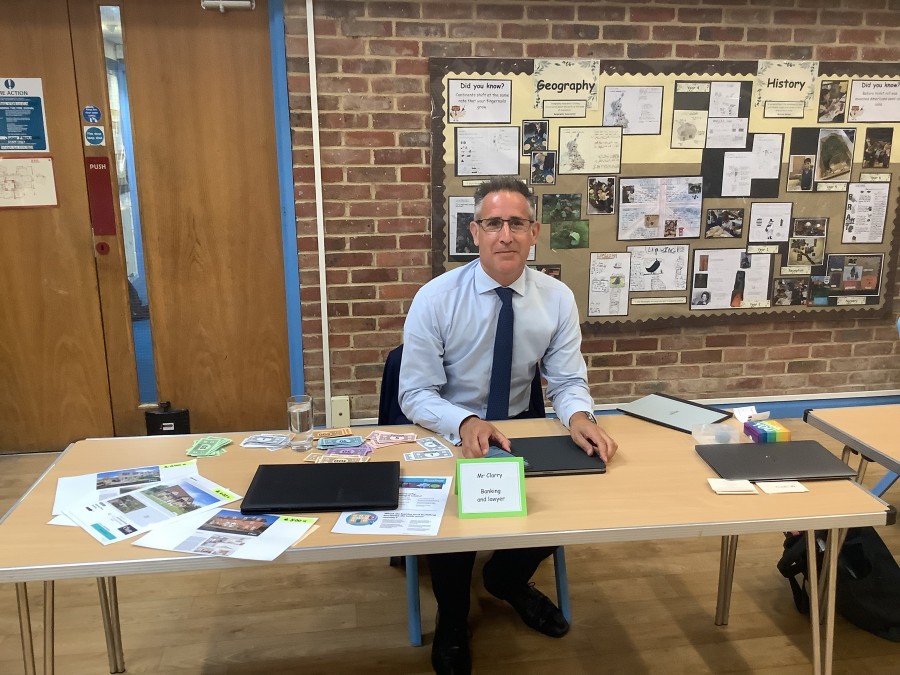
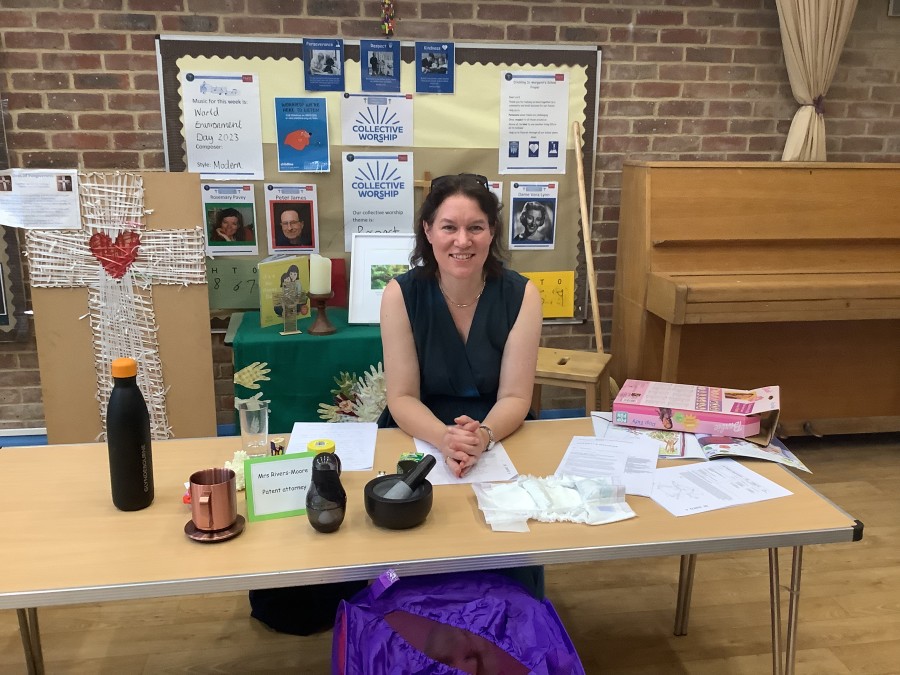
During the summer term, we hold a Careers Fair, when visitors are invited into school to talk to the children about the professions and job roles. We ensure that children are given a wide range of experiences. Members of our wider school community who support us with the delivery of this include parents, governors and local businesses.
Careers Fair 2024
This year Ditchling hosted its first Careers Fair. We welcomed parents and carers in to discuss their current careers and the pathways in which they took to get there. Our year 5 and 6 students had the opportunity to complete their career passports by finding out more about qualifications, routes, apprenticeships and various other pathways available to them for the future.



Career Progression Map
Click on the icon below to find out about the careers available to you:
https://nationalcareers.service.gov.uk/