Music
Click here: Ditchling Music Development Plan
Intent
Our Music Curriculum aims to ignite a curiosity in children; to discover, appreciate and engage with a wide range of music that reflects not only their own culture, but that of others, so they have a better understanding of the world in which they live, whilst developing a life-long love of music. Through their musical learning journey, children are able to express their independence and creativity, becoming more confident in themselves as performers – whether that is in the form of a budding singer, musician, music producer or music appreciator – it starts right here.
The National Curriculum for music aims to ensure that all pupils:
- Perform, listen to, review and evaluate music
- Be taught to sing, create and compose music
- Understand and explore how music is created, produced and communicated.
At Ditchling the intention is that children gain a firm understanding of what music is through listening, singing, playing, evaluating, analysing, responding to and composing across a wide variety of historical periods, styles, traditions, and musical genres. We are committed to ensuring children understand the value and importance of music in the wider community, and are able to use their musical skills, knowledge, and experiences to involve themselves in music, in a variety of different contexts. Through music, we help our children to develop many transferable skills such as team-working, leadership, creative thinking, problem-solving, decision-making and presentation and performance skills.
Implementation
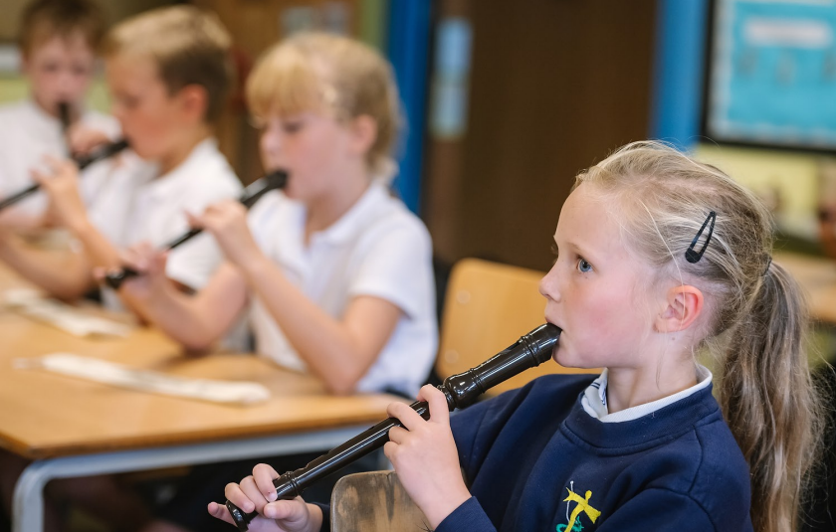
The music curriculum ensures students sing, listen, play, perform and evaluate. These components are embedded in classroom activities, as well as the weekly singing assemblies, various concerts and performances, and the learning of instruments. The elements of music are taught in the classroom lessons so that children are able to use some of the language of music to dissect it, and understand how it is made, played, appreciated and analysed. The key knowledge and skills for each year are mapped to ensure progression between years. This ensures that children develop their musical skills systematically, building their knowledge of music from one year to the next.
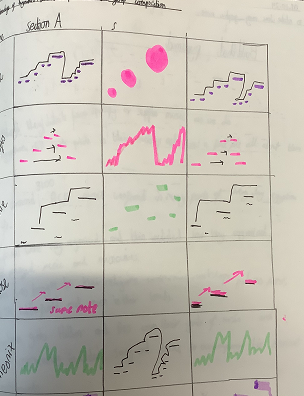
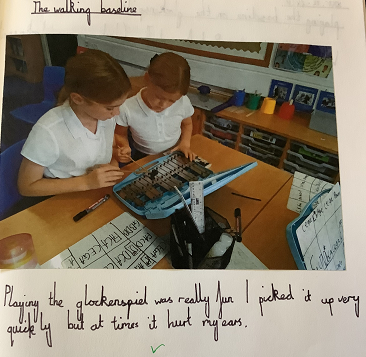
In the classroom students learn how to play an instrument. In doing so, they are able to understand the different principle of each method of creating notes, as well as how to read basic music notation. They also learn how to compose, focussing on different dimensions of music, which in turn feeds their understanding when listening, playing, or analysing music. Composing or performing using body percussion and vocal sounds is also part of the curriculum, which develops the understanding of musical elements without the added complexity of an instrument.
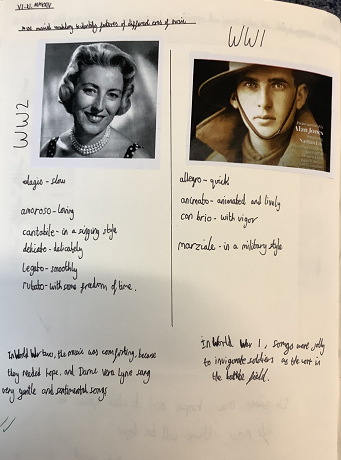
Each new unit of work begins with a recap of the previous related knowledge from previous years. This helps children to retrieve what they have learnt in the earlier sequence of the programme of study, and ensures that new knowledge is taught in the context of previous learning to promote a shift in long term memory. Key vocabulary for the new topic is also introduced as part of this ‘unit introduction’. This provides definitions and accompanying visuals for each word to ensure accessibility to all. This approach also means that children are able to understand the new vocabulary when it is used in teaching and learning activities and apply it themselves when they approach their work. Children learn to recognise and name the inter-related dimensions of music – pitch, duration, tempo, timbre, structure, texture and dynamics – and use these in their own compositions.
Each lesson provides pupils with the opportunity to participate in musical activities drawn from a range of styles and traditions, whilst utilising different approaches such as independent work, paired and group work. Lessons are differentiated to ensure all students can access the material, with opportunities to stretch pupils’ learning when required.
The school has a number of links with external organisations, which offer specific expertise in music as part of the core offer. This includes ongoing links with the Brighton Dome Music Service to provide in school music lessons and the school choir performs annually with the Voice In a Million Project. We use the Hurst Theatre for performing and for music workshops. Music is taught weekly and children are able to join the school’s thriving choir; pupils have the opportunity to perform during Excellent Effort collective worships and the annual summer concert as part of Creative Arts Week.
Impact
Whilst in school, children have access to a varied programme, which allows students to discover areas of strength, as well as areas they might like to improve upon. The integral nature of music and the learner creates an enormously rich palette from which a student may access fundamental abilities such as: achievement, self-confidence, interaction with and awareness of others, and self-reflection. The Music curriculum at Ditchling also enables children to develop an understanding of culture and history, both in relation to students individually, as well as ethnicities from across the world. Children are able to enjoy music, in as many ways as they choose- either as listener, creator or performer. They can dissect music and comprehend its parts. They can sing and feel a pulse. They have an understanding of how to further develop skills less known to them, should they ever develop an interest in their lives. Regular concerts at school and the school’s involvement in local musical events, including the annual music festival, ensure that children are confident performers. They also provide further means to showcase the impact of the school’s high-quality music provision.
Our expected impact is that children will:
- Be confident performers, composers and listeners
- Show an appreciation and respect for a wide range of musical styles from around the world
- Understand the ways in which music can be written
- To have an enthusiasm for music and to express their own preferences
-
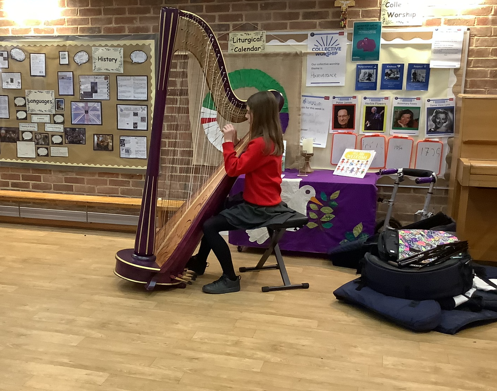
- We were fortunate to have a harpist come in to show us how this beautiful instrument works. Everyone got to have a go if they wanted to!
-

- We were fortunate to have a harpist come in to show us how this beautiful instrument works. Everyone got to have a go if they wanted to!
-

- As part of our house point prize, some children got to play the steel drums.
-
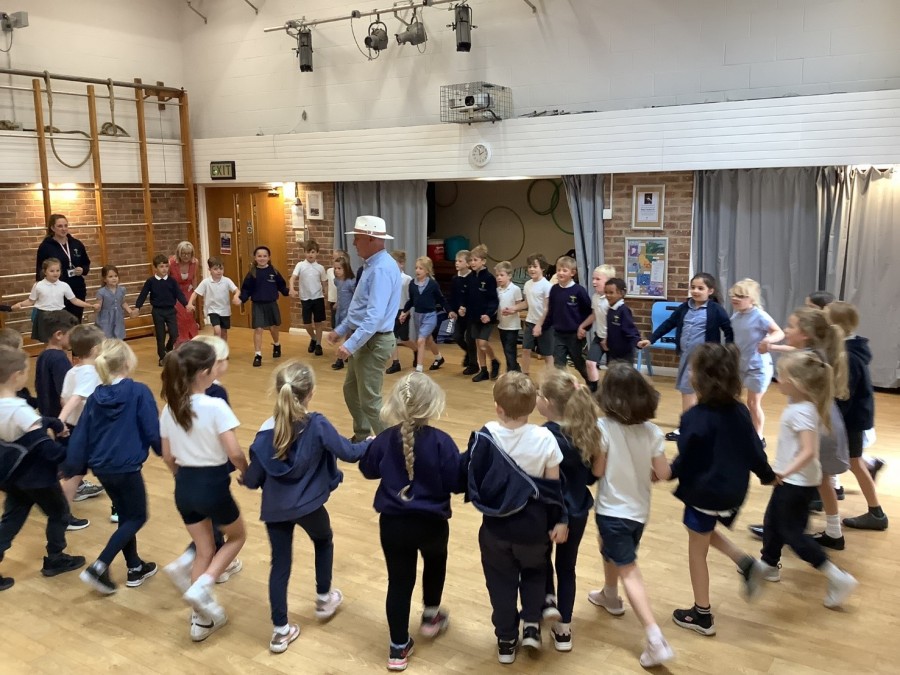
- Music and dancing from our local ceilidh band!
-

- Create Music provide peripatetic music lessons. The children showcase their talents during collective worship.
-

- Every year, our choir goes to Wembley to perform as part of the Voice in a Million concert – it’s an incredible experience for everyone.
-

- Year 3