Religious Education

Our RE Lead Miss Jade Miller leads Religious Education for the Hurst Education Trust
Intent
At Ditchling St Margaret’s Primary School, our RE teaching is rooted in encouraging children to live ‘life in all its fullness’, as we strive to inspire them to understand and show compassion towards themselves and others. Therefore, we recognise that a high-quality, sequential religious education is essential to our pupils living prosperous, inclusive and inspiring lives in modern Britain and the wider world and developing a sense of awe and wonder of the world around them. As a Church of England school, we adopt a Christian and inclusive approach to RE, to value and respect the community that we work alongside.
Our RE curriculum is taught through a variety of mediums that will engage and challenge pupils through an exploration of core concepts and questions with opportunities for pupils to understand the role of foundational texts, beliefs, rituals, and practices and how they help form identity in a range of religions and worldviews. As pupils move through our school, they explore how these may change in different times, places and cultures. Our RE curriculum will go beyond a sociological study of religious phenomena and will introduce pupils to a range of relevant disciplines including theology, philosophy and the human and social sciences. Throughout their journey at Ditchling children will be supported towards making connections and links across their various areas of learning. As a result, pupils will become religiously literate and develop a strong understanding of themselves which will in turn allow them to flourish within a diverse society.
The principal aim of religious education is to explore what people believe and what difference this makes to how they live, so that pupils can gain the knowledge, understanding and skills needed to handle questions raised by religion and belief, reflecting on their own ideas and ways of living. (East Sussex Agreed Syllabus)
The school follows the East Sussex Agreed Syllabus for Religious Education. In accordance with the agreed syllabus, Religious Education at Ditchling is supported using the approach of Understanding Christianity and RE Online.
The curriculum for RE aims to ensure that all pupils:
- Make sense of a range of religious and non-religious beliefs, so that they can:
- Identify, describe, explain and analyse beliefs and concepts in the context of living religions, using appropriate vocabulary
- Explain how and why these beliefs are understood in different ways, by individuals and within communities
- Recognise how and why sources of authority (e.g. texts, teachings, traditions, leaders) are used, expressed and interpreted in different ways, developing skills of interpretation
- Understand the impact and significance of religious and non-religious beliefs, so that they can:
- Examine and explain how and why people express their beliefs in diverse ways
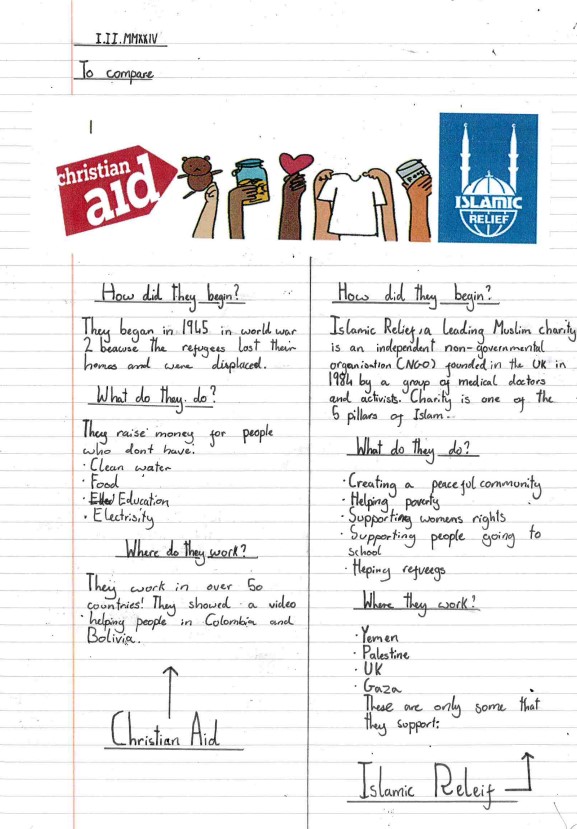
- Recognise and account for ways in which people put their beliefs into action in diverse ways, in their everyday lives, within their communities and in the wider world
- Appreciate and appraise the significance of different ways of life and ways of expressing meaning
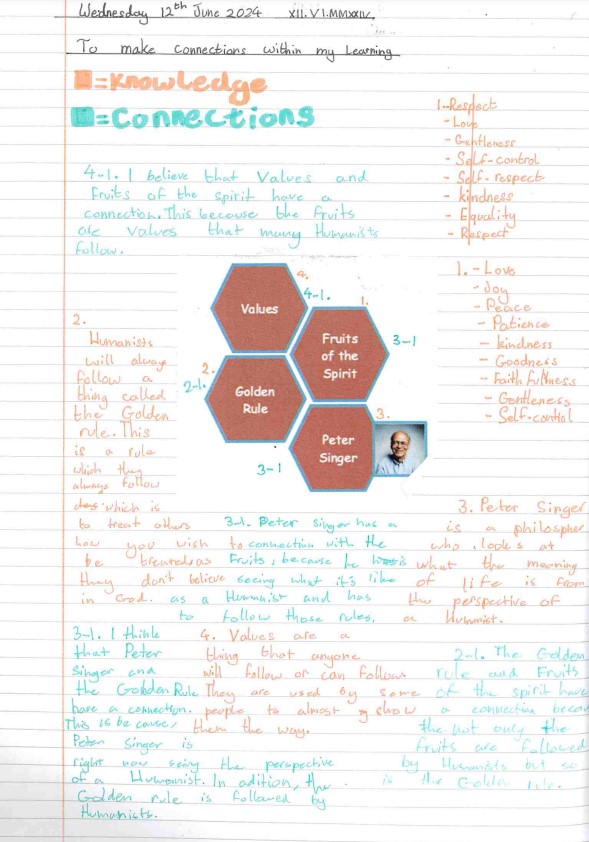
- Make connections between religious and non-religious beliefs, concepts, practices and ideas studied, so that they can:
- Evaluate, reflect on and enquire into key concepts and questions studied, responding thoughtfully and creatively, giving good reasons for their responses Challenge the ideas studied, and allow the ideas studied to challenge their own thinking, articulating beliefs, values and commitments clearly in response
- Discern possible connections between the ideas studied and their own ways of understanding the world, expressing their critical responses and personal reflections with increasing clarity and understanding
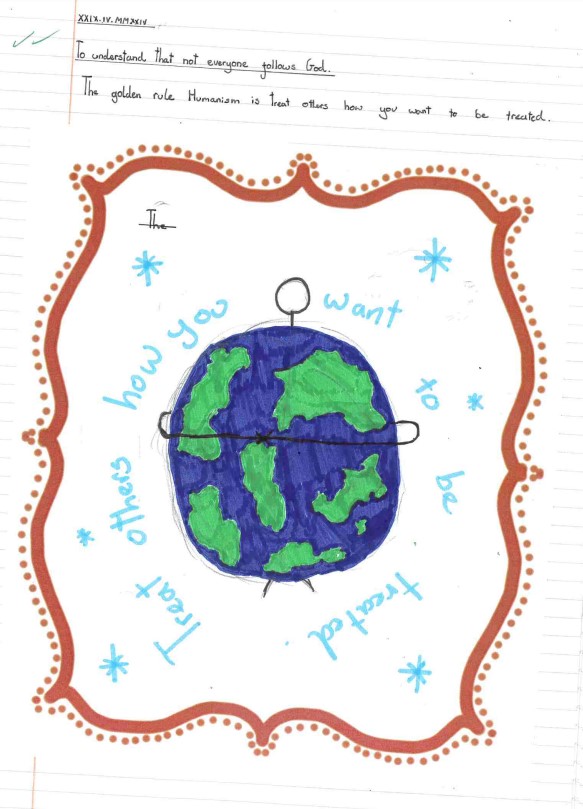
The RE curriculum at Ditchling is organised to support the development of children’s knowledge of religious and non-religious beliefs and worldviews, practices and ways of life and enable children to make links between these. It also develops children’s knowledge and understanding of the different members of our rich and diverse community. Knowledge and skills are supported by first-hand experiences, including visits to local places of worship and visits from faith communities. Knowledge and skills are mapped to support children’s understanding of religion and faith. The RE curriculum is also designed to support positive attitudes and values, and encourage children to reflect and relate learning to their own experience. Children learn that there are those who do not hold religious beliefs and have their own philosophical perspectives, as part of its commitment to ensure mutual respect and tolerance for those with different faiths.
All themes or ‘Big Questions’ are explored by investigating and reflecting on the responses of more than one religion or belief system. All our lessons therefore include an exploration of these themes or big questions through different perspectives. Each unit encourages and promotes the contemplation of key concepts or themes within religions and comparing these with responses in other faiths, religions and belief systems. The curriculum has been created in a cyclical format to enable children to revisit and build on prior knowledge of the different beliefs and practices taught across the school.
Implementation
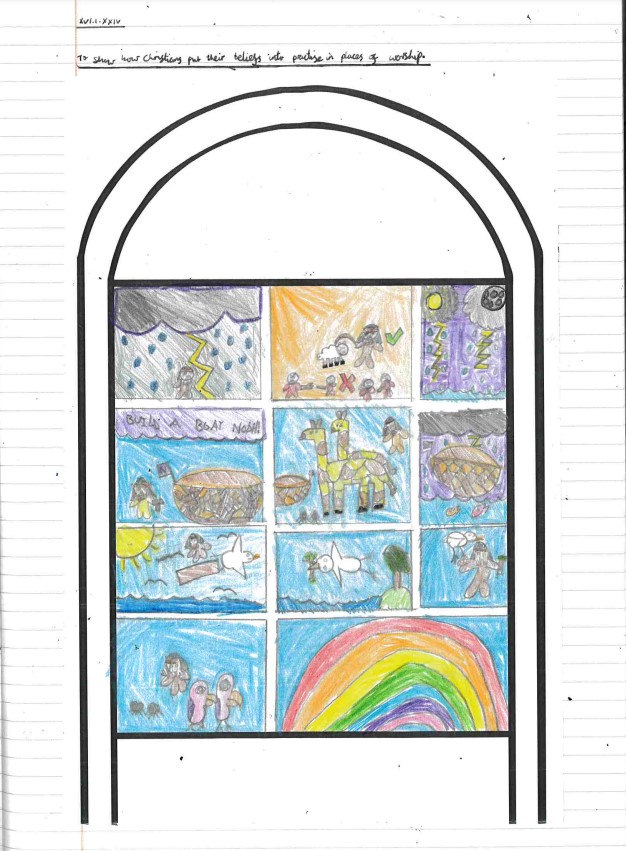
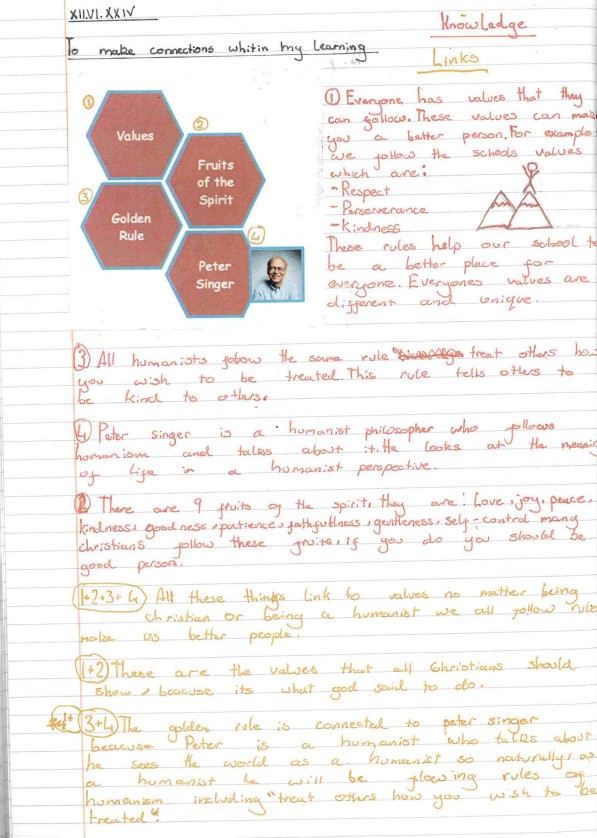
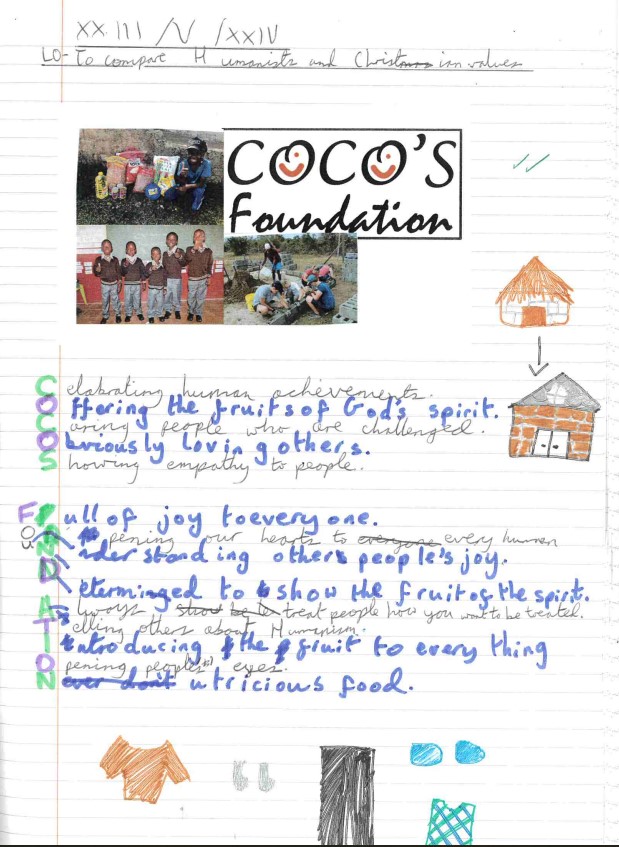
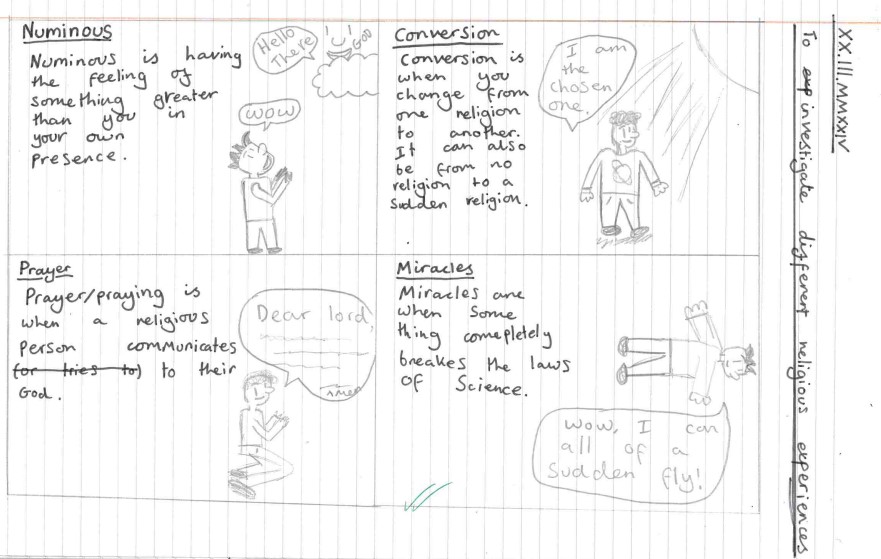
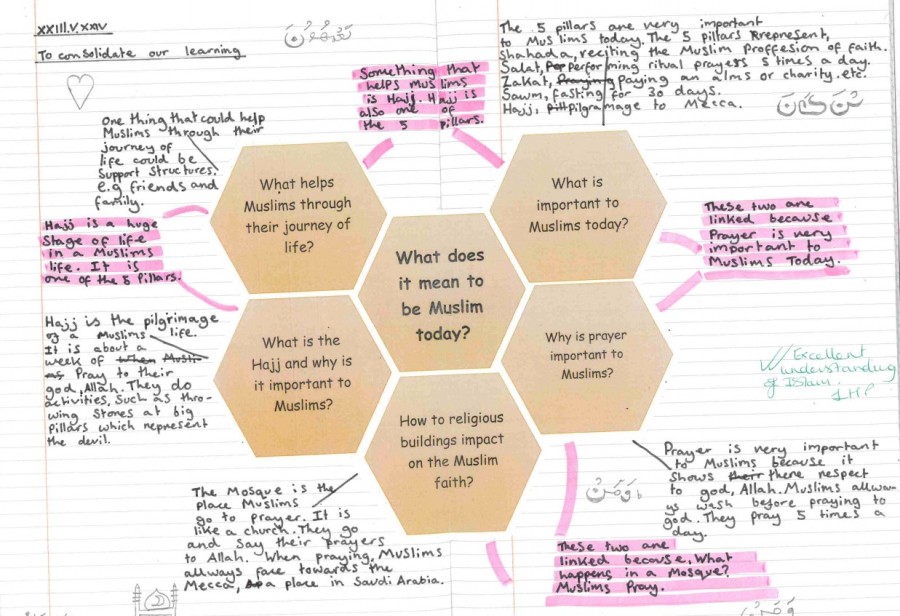
RE is taught through weekly lessons. Coverage is planned to link with key dates and religious festivals to provide opportunities to celebrate festivals and religions with greater consistency and contextual relevance. Work is recorded in RE books and is evidenced with a variety of outcomes, including written pieces, artwork and photographs. In Early Years they have a RE Floor Book. In addition to this, teachers identify, plan for and utilise further cross-curricular links, which are stated on the schools ‘RE Knowledge and Skills Progression Map’. As children progress through the programme of study, they are able to look deeper into spiritual, ethical, moral and social issues and with increasing breadth across different religions and worldviews through time and around the world. Learning is planned and sequenced to support pupils in building an ever-increasing picture over time, constantly building their knowledge and understanding of key subject knowledge and specialist vocabulary around concepts focusing on Believing, Living and Thinking. This ensures that the investigation, exploration and reflection of their own and others’ responses to ‘Big Questions’ can continuously increase in depth, breadth and complexity. Our pupils use the assessment hexagons as a way of demonstrating their knowledge. As pupils move through the Religious Education curriculum and the ‘Big Questions’ increase in complexity, depth and breadth, the expectations of pupils to explain ‘what’ the beliefs, practices and values are and the relationships between them, as well as explaining ‘why’ these are important and may make a difference to people, and ‘how’ they relate, change or impact on a wider world view also increases.
Each new unit of work begins with a recap of the previous related knowledge from previous years. This helps children to retrieve what they have learnt in the earlier sequence of the programme of study, and ensures that new knowledge is taught in the context of previous learning to promote a shift in long term memory. Key vocabulary for the new topic is also introduced as part of this ‘unit introduction’ and children are shown the vocabulary throughout the sequence of lessons. This provides definitions and accompanying visuals for each word to ensure accessibility to all. This approach also means that children are able to understand the new vocabulary when it is used in teaching and learning activities and apply it themselves when they approach their work. The vocabulary is displayed on the working walls.
Once children know the new vocabulary for the unit and how it relates to previous learning, the children are asked what they already know specifically about the new topic. This provides the teacher with an insight into the children’s ‘starting points’ for the topic, to enable the use of assessment to inform planning. At the end of the topic, children take part in a review of what they now know. At the end of the topic, children write a summary of what they know according to the key knowledge statements identified on the school’s progression map for design and technology (as worded on the TV Mat of the topic). Teachers support the children and scaffold this ‘knowledge summary’ as appropriate, according to the children’s age group as well as individual needs. This process is used to consolidate the key knowledge of the topic and each strand of knowledge included in the outcomes is ticked or highlighted.
Within all sequences of lessons, teachers plan a phase of progressive questioning which extends to and promotes the higher order thinking of all learners. Questions initially focus on the recall or retrieval of knowledge. Questions then extend to promote application of the knowledge in a new situation and are designed to promote analytical thinking, such as examining something specific.
Our Diocesan Partner continues to work with teachers in improving the quality of teaching and learning of RE by providing training, and guidance to develop and support SMSC, Assessment for Learning and effective teaching and learning strategies.
Impact
Alongside a whole school approach to celebrating different religious and cultural celebrations, the RE curriculum provides the means to celebrate the diversity of the school community and promote positive images of people in the wider community, including their beliefs, traditions, culture, language and history. It ensures that children develop spiritually, academically, emotionally and morally to promote and realise a better understanding of themselves and others and to equip with the opportunities, challenges and responsibilities of living in a rapidly changing, multicultural world. As well as outcomes of work in children’s books, children’s understanding of religion and the ability to respond creatively to religious themes. Our annual Prayer Spaces event supports in raising the profile of religious education both across the school and around our community.
Parents have the right to withdraw their child from all or part of the RE curriculum. Please contact Mrs Clarke to discuss this.
Religious Education Curriculum
At Ditchling, we are committed to providing our children with an exciting and positive learning environment, in which they have the opportunity to develop their knowledge and understanding of religions to support their spiritual, moral, social and cultural development.
-
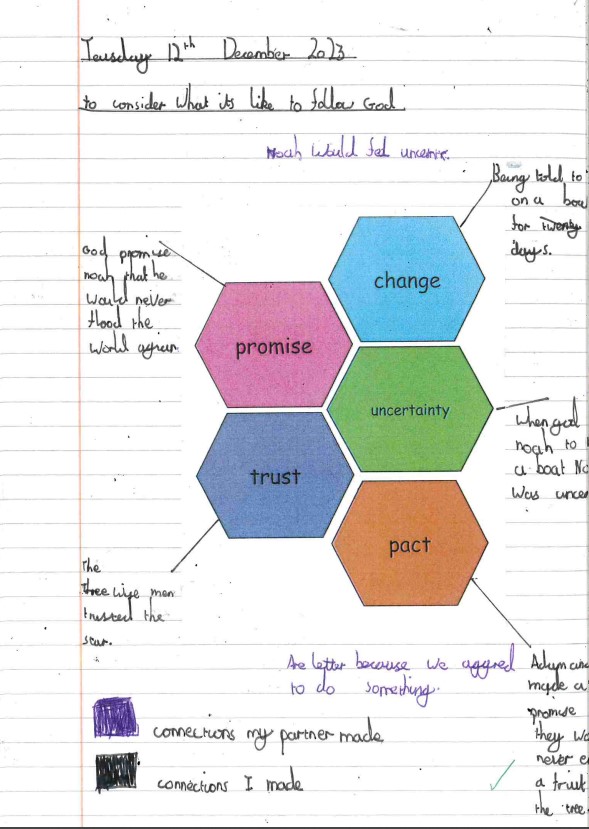
- Year 3
-
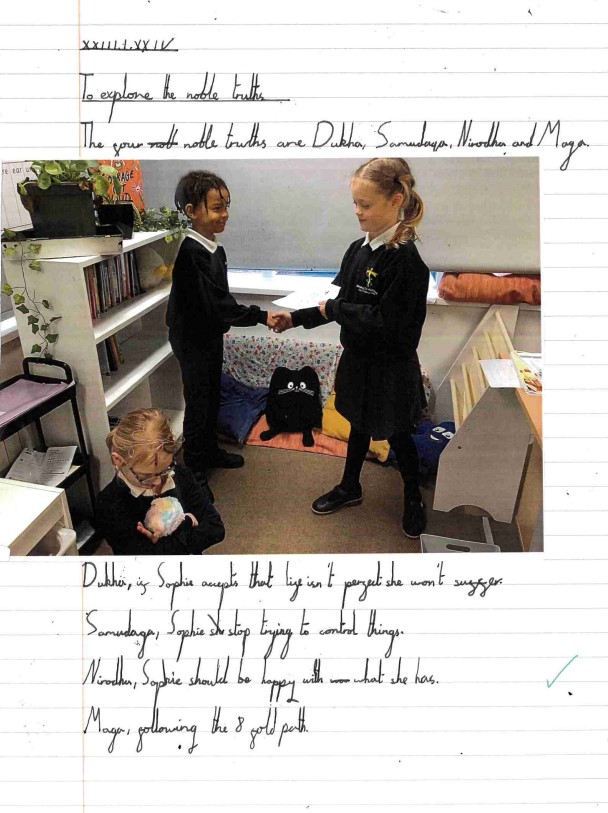
- Year 3
-
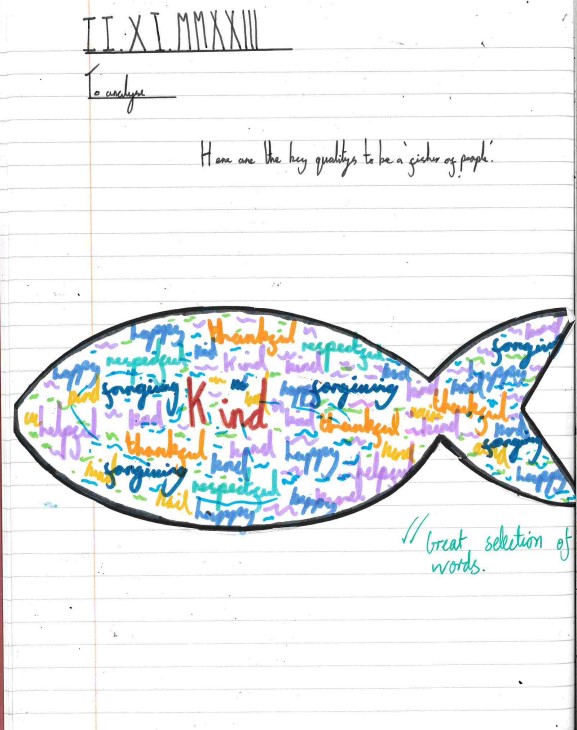
- Year 4
-
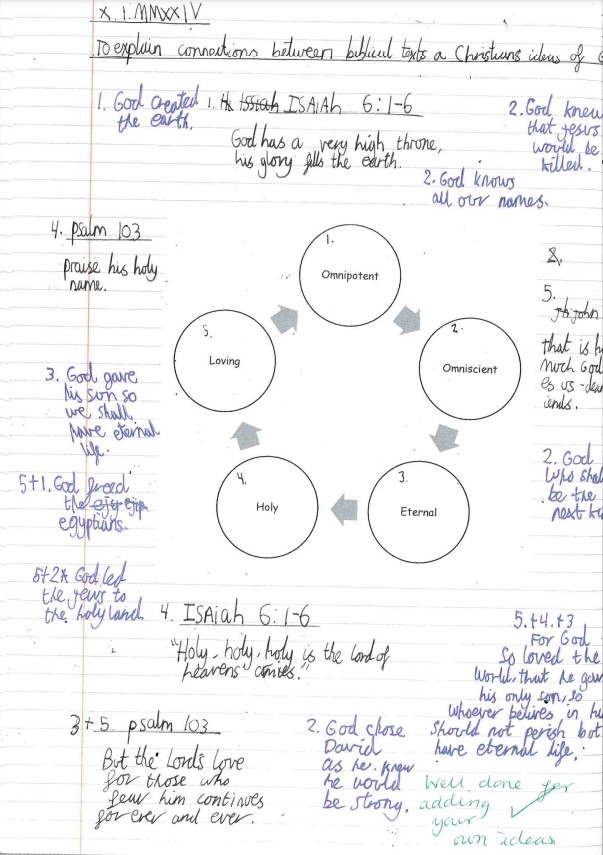
- Year 5
-
- Year 5
-
- Year 6
-
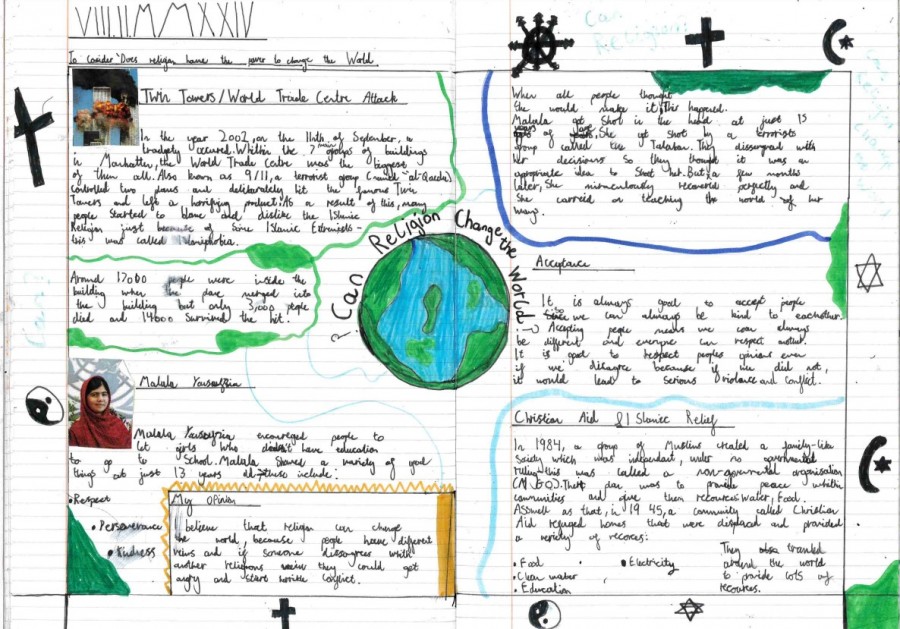
- Year 6
-
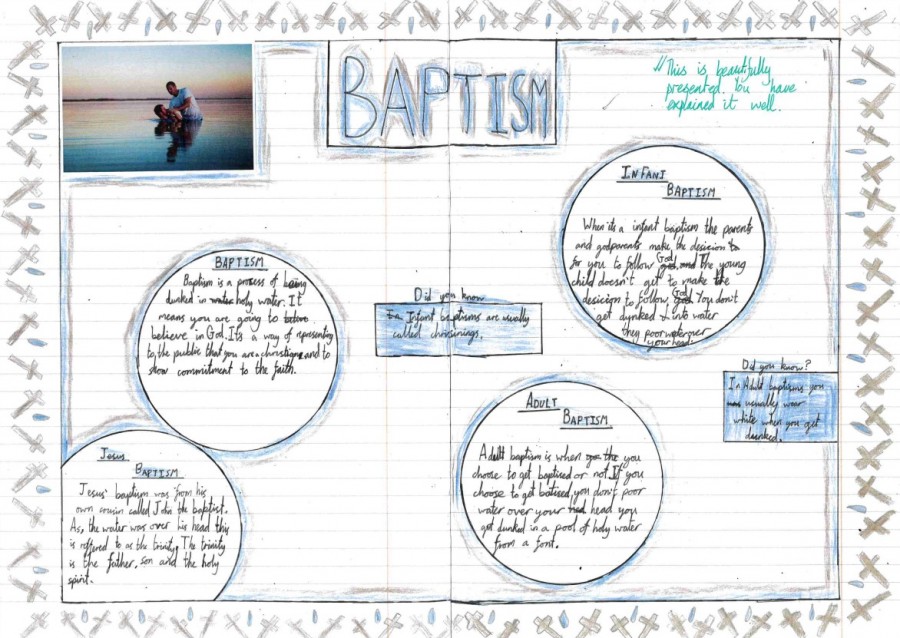
- Year 4
-
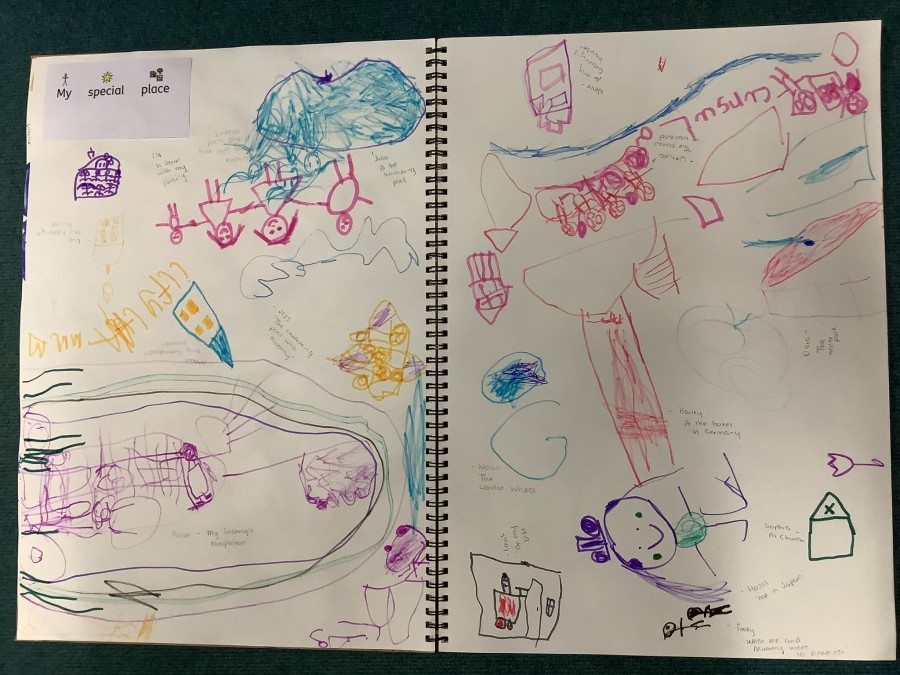
- Reception
-

- Reception
-
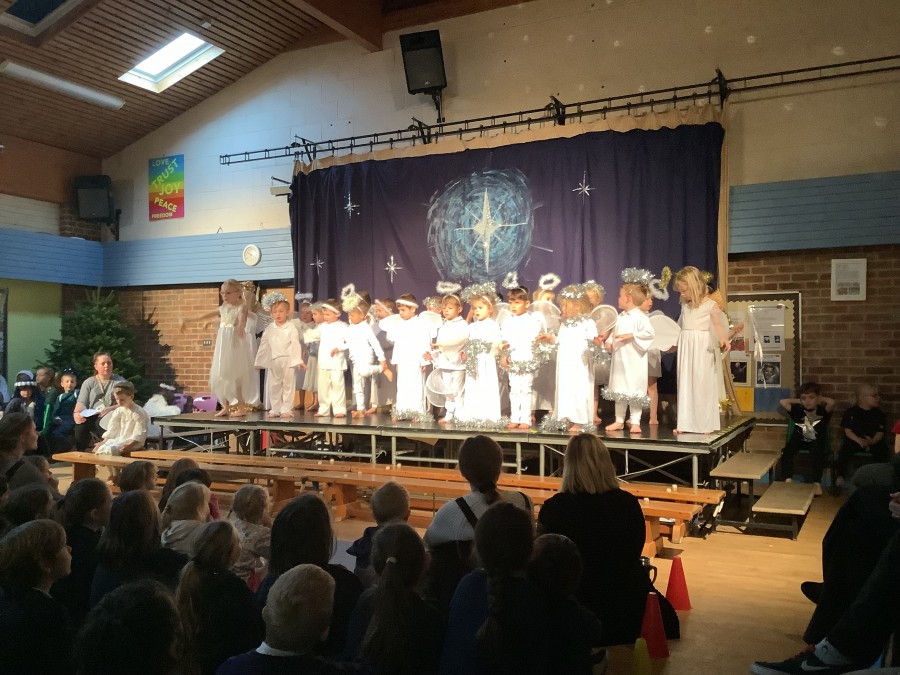
- KS1 Children’s nativity 2022
-
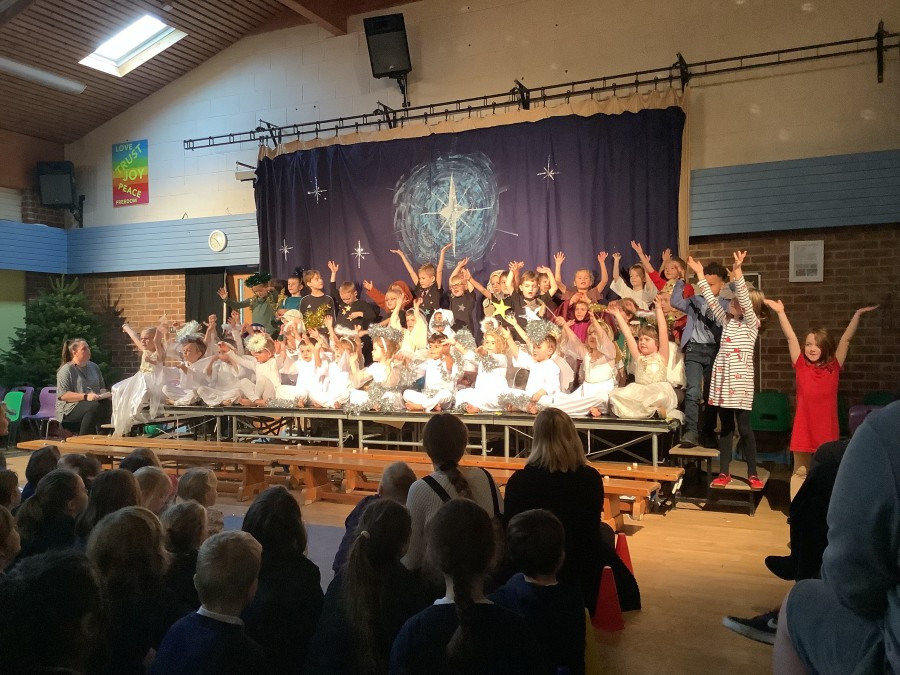
- KS1 Children’s nativity 2022
-
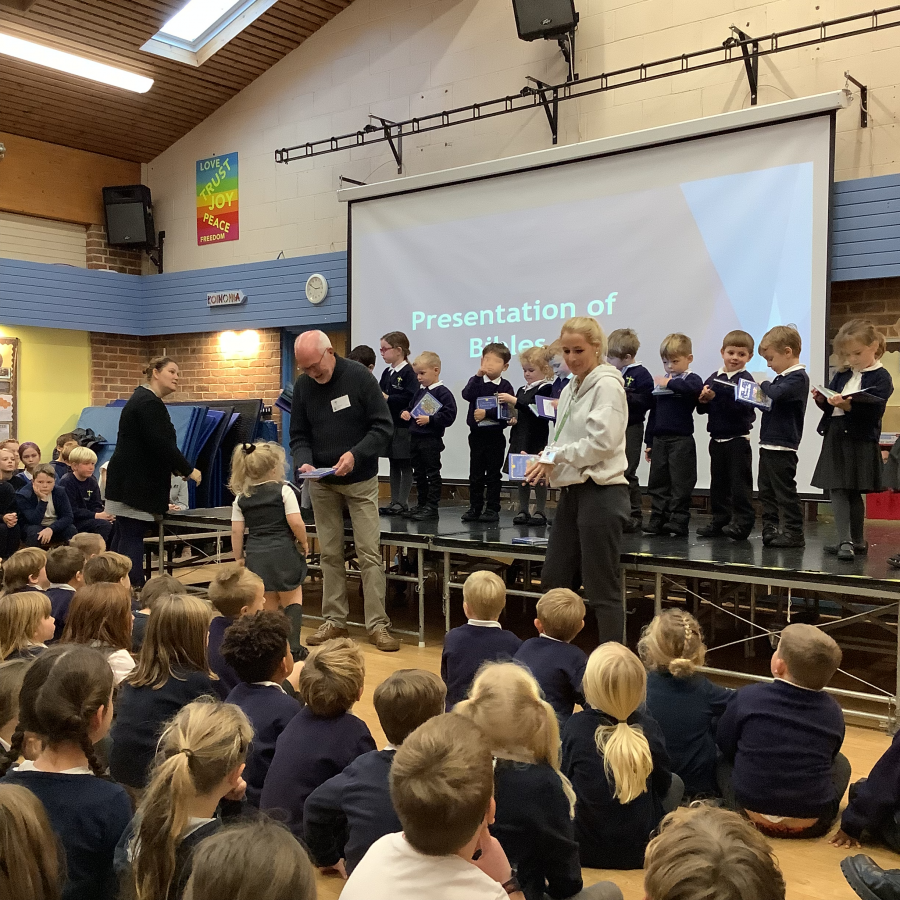
- Reception children receiving their first bible
-
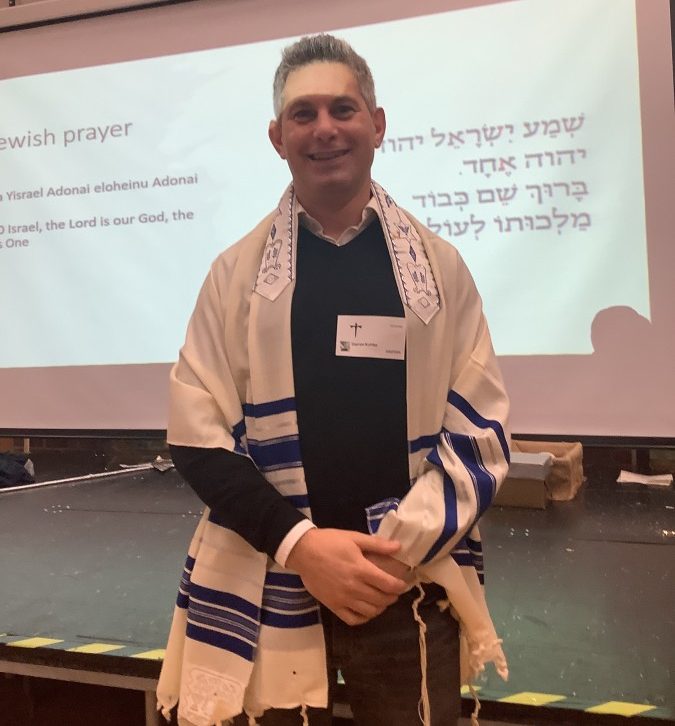
- Judaism and Hanukkah talk from a parent
-
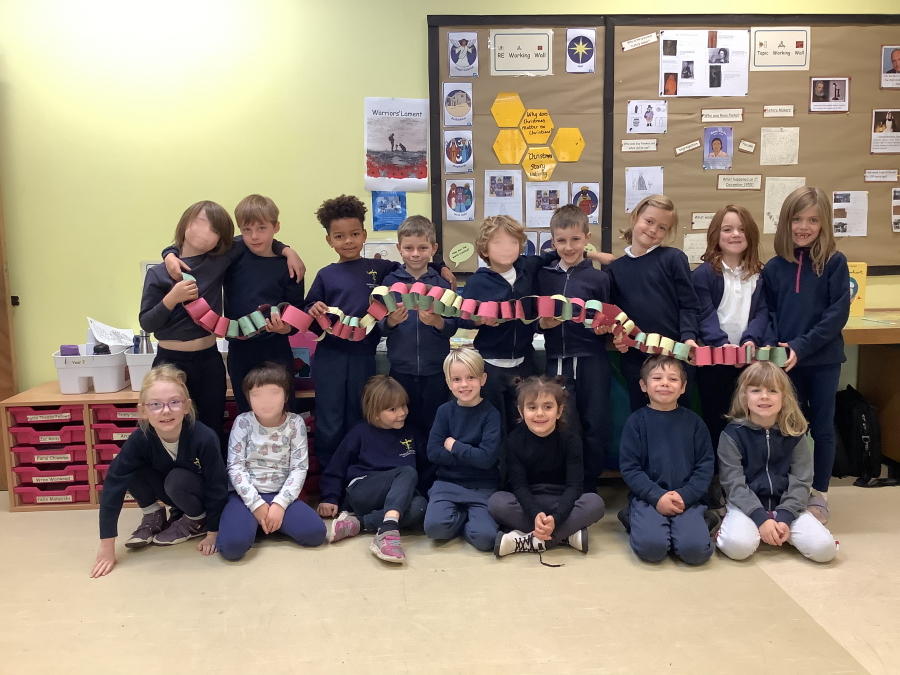
- Year 2 made a prayer chain
-

- RE display board
-
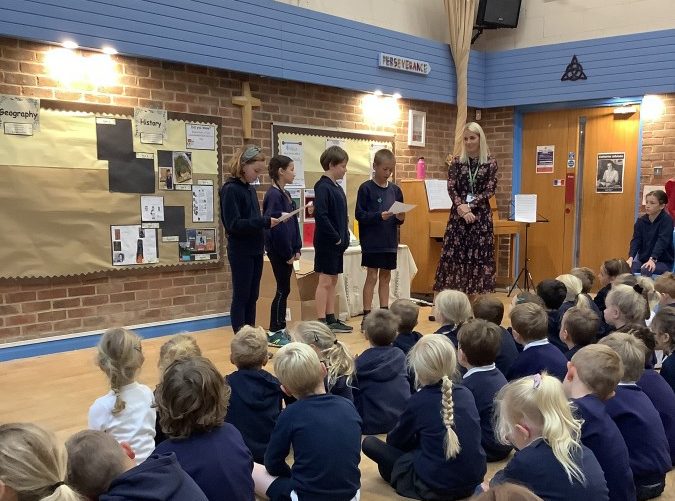
- Pupil led Collective Worship
-
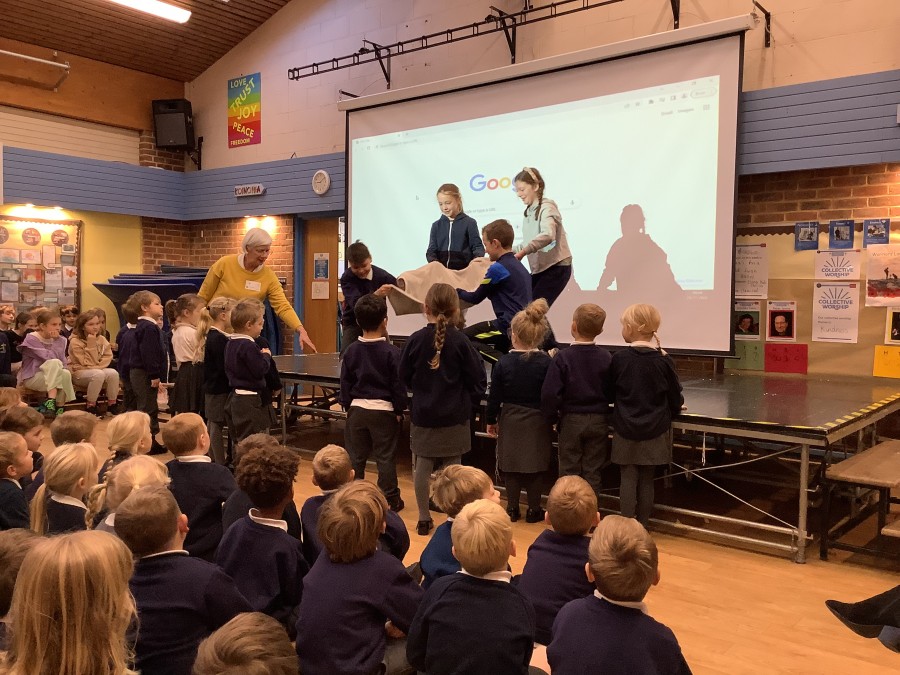
- Spinnaker Collective Worship
